Investment Management · Northborough, MA

Investment Management That Serves Your Retirement Plan

Your portfolio has one job: support the life you are planning. We build and manage diversified, tax-aware portfolios around your income needs, your timeline and your comfort with risk, not around predictions or products.

CFP® · ChFC® · IRS Enrolled Agent (EA) · AEP® · Fiduciary Team

The Portfolio Should Serve the Plan

For most of your career, investing had a simple rhythm. Money went in with every paycheck, and a market dip was mostly an opportunity to buy at lower prices. Retirement flips that script. Soon the portfolio is not just a savings account. It is your paycheck, and a steep decline in the wrong year can feel very different when you are the one drawing from it.

That is why we do not start with fund picks or market forecasts. We start with a simpler question: what job does this money need to do? Some of it needs to fund the next few years of income. Some needs to grow for the decades after that. Some may be earmarked for your children, your grandchildren or a cause you care about. Each job calls for a different approach.

At ClearPath, investment management is one part of a coordinated plan. Your portfolio is built around your retirement income strategy, your tax picture and your estate goals, and it is adjusted as those change.

Our Philosophy

How We Think About Risk and Return

Investment risk is not just about whether markets go up or down. It is about whether a decline would interrupt your income, shake your confidence, or force a decision you would regret. Three ideas shape how we build every portfolio.

Risk Capacity, Not Just Risk Tolerance

A questionnaire can tell us how volatility makes you feel. Your plan tells us how much volatility it can actually absorb. We look at both, alongside your pensions, Social Security, cash reserves and withdrawal timeline, so the portfolio fits your real situation, not a generic age-based formula.

A Paycheck That Doesn't Depend on Timing

One of the biggest risks near retirement is a market decline right as withdrawals begin. We keep a reserve of steadier assets for near-term income, so you are not forced to sell growth investments at the wrong moment, while the rest of the portfolio stays positioned for the long run.

Diversification Over Prediction

Nobody can reliably predict markets. We spread risk across U.S. and international stocks, bonds, cash and, where appropriate, alternatives, and we actively work to reduce concentration in any single company, sector or fund. Diversification does not guarantee a profit or protect against loss, but it helps keep any one outcome from driving your whole plan.
Investments and Taxes at One Table

Tax-Aware Investing From a CFP® and Enrolled Agent Team

What you keep matters as much as what you earn. Because Ryan Kittredge is both a CERTIFIED FINANCIAL PLANNER® professional and an IRS Enrolled Agent, tax considerations are built into portfolio decisions from the start, not bolted on at year-end.

That shows up in practical ways: which investments sit in taxable, tax-deferred and Roth accounts; how we rebalance without creating unnecessary capital gains; when to harvest losses; and how portfolio withdrawals line up with Roth conversions, required minimum distributions and Medicare premium thresholds.

We are fiduciaries, obligated to act in your best interest. We do not believe in chasing the hot fund of the year or selling you a product to solve a problem you do not have.

Who We Help

Is Your Portfolio Ready for What Comes Next?

Our investment management work tends to fit families in one of these situations.

Within Three Years of Retirement

Your portfolio grew through years of steady saving. Now you want it repositioned for income, without giving up the growth you will need for a retirement that could last thirty years.

Accounts Scattered Across Institutions

Old 401(k)s, IRAs, a brokerage account, maybe a 403(b) or 457(b) from a hospital or public job. You want one coordinated strategy instead of several accounts running on autopilot.

Concentrated Stock or Equity Compensation

Employer stock, RSUs, an ESPP or an inherited position has grown into a large share of your net worth. You want a thoughtful, tax-aware path to diversify without an all-or-nothing decision.

Recently Retired and Drawing Income

You have started taking withdrawals and want a clear system for where each month's income comes from, how much is sustainable, and what happens when markets get rough.

What We Do

Our Investment Management Services

We manage portfolios on an ongoing basis, reviewing them regularly and rebalancing with purpose. Every decision connects back to your plan.

Plan-Based Asset Allocation

Your mix of stocks, bonds and other assets is set by your income needs, time horizon, tax situation and comfort level, then revisited as your life and the plan evolve.

Retirement Income Design

We structure the portfolio to support a reliable retirement paycheck, with near-term reserves for spending and longer-term assets invested for growth and inflation.

Tax-Aware Portfolio Management

Asset location, tax-sensitive rebalancing and loss harvesting where appropriate, coordinated with your Roth conversion roadmap and withdrawal plan.

Concentrated Position Strategy

A phased approach to diversifying employer or inherited stock, balancing tax cost, risk reduction and, where it fits, charitable giving with appreciated shares.

Risk Management and Downside Awareness

Diversification across asset classes, disciplined rebalancing, and, for some clients, hedged strategies designed to soften the impact of steep declines. Every approach involves tradeoffs, which we explain clearly.

Ongoing Review and Rebalancing

Portfolios are reviewed throughout the year and rebalanced when allocations drift, markets shift or your plan changes, with clear communication about what we are doing and why.

Getting Started

Your First Step: A Retirement Tax Assessment

A focused first meeting designed to show you where you stand, including how your current investments line up with your retirement income needs, before you commit to anything.

01

Bring the Moving Pieces

Recent statements for your retirement and investment accounts, your latest tax return, and any pension or Social Security estimates. The starting point does not have to be perfectly organized. That is part of what we help with.

02

We Review the Fit

Our team looks at how your current portfolio lines up with your income timeline, tax picture and risk capacity, and where concentration or overlap may exist.

03

You Leave With Clarity

We walk you through the two or three opportunities that matter most and give you a clear answer about whether ClearPath is the right fit.

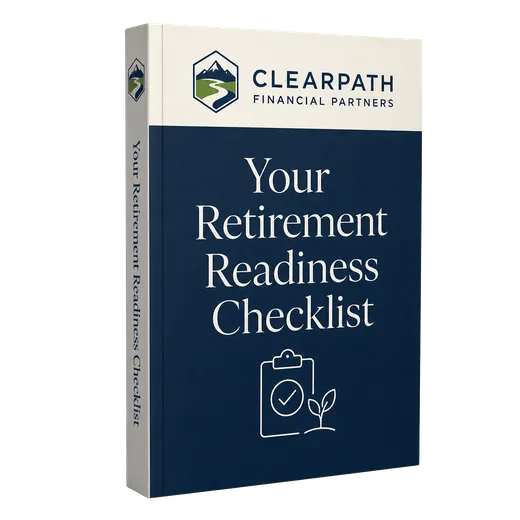
Retirement Readiness Checklist

Free Resource

Download the Retirement Readiness Checklist

A practical checklist for the years around retirement, covering income, taxes, investments, Social Security, Medicare and estate coordination. Use it to organize your questions before we meet.

Educational resource only. Not a substitute for personalized tax, legal or investment advice.

The Bigger Picture

Returns Matter. The Plan Matters More.

A portfolio that looks great on paper but keeps you up at night is not the right portfolio. Neither is one built for maximum tax savings that leaves too much riding on a single stock. The best investment strategy is one you can stick with through good markets and bad, because it is tied to a plan you understand. That is why investment management at ClearPath is always connected to your retirement income, tax and estate planning.

Trusted Guidance

Trusted by Professionals and Families Across Massachusetts

Clients share their experiences on our Google Business profile.

CFP® Professional · Fiduciary Advisor · LPL Financial · Private Advisor Group

Common Questions

Investment Management Questions We Hear Most

How should my investments change as I approach retirement?

The shift is usually from pure growth toward a balance of growth and reliable income. That does not necessarily mean abandoning stocks, since a retirement can last 25 or 30 years and inflation still matters. It often means setting aside steadier assets for the first several years of withdrawals so the rest of the portfolio can stay invested for the long run. The right mix depends on your income needs, other income sources and comfort level.

What is the difference between risk tolerance and risk capacity?

Risk tolerance is how much market volatility you are comfortable living with. Risk capacity is how much volatility your plan can actually absorb without disrupting your income or goals. Someone with strong pension income may have more capacity than they realize, while someone who needs large withdrawals soon may have less. We look at both.

What is sequence-of-returns risk?

It is the risk that markets decline early in retirement, right when you begin withdrawing from your portfolio. Selling investments after a steep drop to fund living expenses can make it harder for the portfolio to recover. Keeping near-term income needs in steadier assets and planning withdrawals carefully are two ways to help manage this risk.

Should I diversify out of my company stock?

Often it is worth considering, especially if one company represents a large share of your net worth. The tax bill on selling is real, but so is the risk of having your retirement tied to a single company. A phased, tax-aware plan often beats either extreme of selling everything at once or doing nothing. We model the tradeoffs and coordinate with your tax professional.

How often do you review and rebalance portfolios?

We review portfolios throughout the year and rebalance when allocations drift meaningfully, when markets shift, or when your plan changes. Rebalancing is done with taxes in mind, so we try to avoid creating unnecessary capital gains along the way.

Can you manage my 401(k), 403(b) or 457(b) at work?

We coordinate employer plan investments as part of your overall strategy, including reviewing the investment options available in your plan. When you retire or leave an employer, we can help you evaluate whether consolidating accounts makes sense, which depends on plan features, fees and rules specific to your situation.

Is ClearPath a fiduciary?

Yes. As fiduciaries, we are obligated to act in our clients' best interest. Our investment recommendations are designed around your plan, not around selling a particular product.

Who is a good fit for ClearPath's investment management?

We typically work with pre-retirees and retirees across Central Massachusetts and MetroWest with $2 million to $10 million in net worth who want their investments coordinated with their retirement income, tax and estate planning. If you are outside that range, we are glad to point you toward a trusted resource.

Fiduciary · Local · Planning-First

Ready to Put Your Portfolio to Work for Your Plan?

If retirement is a few years away, or you have already started drawing income, now is a good time to make sure your investments are aligned with the life you are planning. Bring your statements, and we will show you how the pieces fit together.

The opinions voiced on this page are for general information only and are not intended to provide specific advice or recommendations for any individual. To determine which strategies or investments may be suitable for you, consult the appropriate qualified professional prior to making a decision. Investing involves risk, including possible loss of principal. No investment strategy, including diversification, asset allocation or rebalancing, can guarantee a profit or protect against loss. Past performance is no guarantee of future results. Individual tax matters should be discussed with your tax professional.

Securities offered through LPL Financial, Member FINRA/SIPC. Investment advice offered through Private Advisor Group, a registered investment advisor. Private Advisor Group and ClearPath Financial Partners are separate entities from LPL Financial.

Copyright © 2026 - ClearPath Financial Partners | Website by Cold SpringDisclosure: Securities offered through LPL Financial, member FINRA/SIPC. Investment advice offered through Private Advisor Group, a registered investment advisor. Private Advisor Group & ClearPath Financial Partners are separate entities from LPL Financial. The LPL Financial registered representatives associated with this website may discuss and transact business only with residents of the states in which they are properly registered and licensed. No offers may be made or accepted from any resident of any other state.Check the background of this firm on FINRA’s BrokerCheck.