
Estate Planning · Northborough, MA

Estate Planning for Central Massachusetts Families

Massachusetts taxes estates above $2 million, a line many local families cross without realizing it. We coordinate your beneficiaries, account titling, trusts and estate tax planning with your attorney, so the people you love inherit a clear path, not a puzzle.

CFP® · AEP® · IRS Enrolled Agent (EA) · ChFC® · Fiduciary Team

Estate Planning Is About People Before Documents

Most people come to estate planning with a list of documents in mind, like a will, perhaps a trust and a power of attorney. Those documents matter, but the real questions sit underneath them: who you are trying to protect, who would step in if you couldn't make decisions, and whether your children would know what to do and agree on how to do it.

A plan can be technically complete and still leave a family in the weeds, whether it's an old beneficiary form that still names an ex-spouse, a trust that was signed but never funded, or an oldest child named trustee without anyone explaining the job. We see these gaps often, and they are almost always fixable when someone is looking at the whole picture.

At ClearPath, estate planning is part of your financial plan, not a separate binder on a shelf. We make sure your accounts, beneficiaries, titling, tax strategy and family intentions all point in the same direction, and we work alongside your estate attorney so the documents and the money actually match.

The Massachusetts Difference

How the Massachusetts Estate Tax Works

Massachusetts is one of a small number of states with its own estate tax, and its threshold sits far below the federal one. Estates valued above $2 million may owe tax on a graduated scale that can reach 16% at the top. Because the threshold counts nearly everything you own, including your home, retirement accounts, brokerage accounts and life insurance you control, families across Central Massachusetts and MetroWest cross it more often than they expect.

A $2 Million Threshold

A state credit shelters estates of $2 million or less from Massachusetts estate tax. Above that line, tax applies on a graduated scale. The threshold is not indexed for inflation, so rising home values and decades of retirement saving push more families over it every year.

No Portability Between Spouses

Federal law lets a surviving spouse use a deceased spouse's unused exemption. Massachusetts does not. If everything passes outright to the surviving spouse, as many older wills direct, the first spouse's $2 million threshold can be lost for good. Thoughtful trust planning between spouses, coordinated with correctly titled accounts, can help preserve both.

A Federal and State Gap

In 2026 the federal estate tax exemption is $15 million per person, so most ClearPath families will never owe federal estate tax. That can create a false sense of security. The Massachusetts tax is the one that applies to most of the families we serve, and it deserves its own plan.

Estate Planning at One Table

An Accredited Estate Planner® and an Enrolled Agent on Your Team

Molly Brown, CFP®, holds the Accredited Estate Planner® (AEP®) designation, awarded by the National Association of Estate Planners & Councils to professionals with advanced estate planning experience. She brings structure to the detail work that makes estate plans function: beneficiary reviews, titling, trustee preparation and scenario modeling.

Ryan Kittredge, CFP®, EA, adds the tax side of the conversation, because estate decisions and income tax decisions are tangled together. A Roth conversion today changes what your children inherit tomorrow. A lifetime gift can affect cost basis. An inherited IRA carries its own tax clock.

We do not draft legal documents, and we do not replace your estate attorney. We work with them, sharing your balance sheet, beneficiary information and projected estate tax exposure, so the documents they draft fit the plan you actually have.

Who We Help

Is It Time to Revisit Your Estate Plan?

Estate plans age quietly. If one of these situations sounds familiar, it is probably worth a conversation.

Couples Near or Above the $2 Million Line

Your home, retirement accounts and savings add up to more than you realized, and your wills were written before the Massachusetts rules changed, or before your balance sheet did. You want both spouses' thresholds working for your family.

Blended and Complex Families

A second marriage, children from a prior relationship, or a family member who needs more structure. These situations call for extra clarity in the documents, the beneficiary forms, and the conversations around them.

Named Trustee, Executor, or Recent Heir

You have inherited assets, or you have been named to carry out someone else's wishes. You want to understand the rules, the deadlines and the tax traps before signing anything.

Parents Who Want to Help Now

You would like to help children or grandchildren with a home, education or a wedding while you are here to see it, without putting your own retirement security at risk or creating unintended unfairness later.

What We Do

Our Estate Planning Services

Estate planning documents are tools. The goal is what they accomplish for your family. We organize the financial side of your estate plan, identify gaps, and coordinate with your estate attorney and CPA so every piece lines up.

Massachusetts Estate Tax Projection

We estimate your current and future estate against the $2 million threshold, factoring in home values, retirement accounts, life insurance and growth, so you know where you stand before deciding what to do about it.

Beneficiary and Titling Review

Retirement accounts, life insurance and many other assets pass by beneficiary form, not by your will. We review every designation and account title against your documents and flag anything that no longer fits.

Trust Coordination With Your Attorney

When a trust makes sense, whether to preserve both spouses' thresholds, avoid probate or provide guardrails for an heir, we help clarify the goal, then make sure accounts are retitled and funded once your attorney drafts it.

Lifetime Gifting and Family Support

Gift, loan or advance on inheritance? We model family support inside your cash-flow plan, help keep things fair among children, and coordinate gifting with your estate tax picture.

Charitable and Legacy Strategy

If giving matters to you, the asset you give matters too. Retirement accounts, appreciated stock and donor-advised funds can each fit differently. We start with your values, then build the tax strategy around them.

Inheritance and Trustee Support

Receiving an inheritance or stepping into a trustee or executor role can feel overwhelming. We help you pause, organize the pieces, understand inherited IRA and cost basis rules, and coordinate the professionals involved.

Getting Started

Your First Step: A Retirement Tax Assessment

Our Retirement Tax Assessment includes a first look at your Massachusetts estate tax exposure. It is a focused first meeting designed to show you where you stand before you commit to anything.

01

Bring the Moving Pieces

Your most recent tax return, account statements, and any existing wills, trusts or beneficiary information you have handy. The starting point does not have to be perfectly organized. That is part of what we help with.

02

We Build the Picture

Our team projects your retirement income, taxes and estimated estate value, and checks how your current beneficiaries and account titles would actually transfer.

03

You Leave With Clarity

We walk you through the two or three opportunities that matter most, including any estate gaps worth raising with your attorney, and give you a clear answer about whether ClearPath is the right fit.

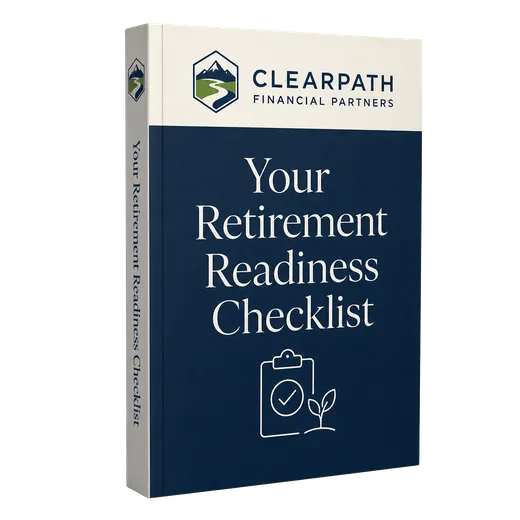
Retirement Readiness Checklist

Free Resource

Download the Retirement Readiness Checklist

A practical checklist for the years around retirement, covering income, taxes, Social Security, Medicare and estate coordination. Use it to organize your questions before we meet.

Educational resource only. Not a substitute for personalized tax, legal or investment advice.

The Bigger Picture

The Best Estate Plan Is One Your Family Understands

Families are rarely hurt most by a few dollars of tax. They are hurt by confusion, surprises and decisions made in a rush. That is why estate planning at ClearPath is connected to everything else: your retirement income plan protects your own security first, your tax plan shapes what your heirs actually receive, and your investment strategy determines what there is to pass on. When those pieces work together, the trail ahead is clearer for everyone.

Trusted Guidance

Trusted by Professionals and Families Across Massachusetts

Clients share their experiences on our Google Business profile.

CFP® Professional · Fiduciary Advisor · LPL Financial · Private Advisor Group

Common Questions

Massachusetts Estate Planning Questions We Hear Most

Will my family owe Massachusetts estate tax?

If your total estate, including your home, retirement accounts, investments and life insurance you own, is worth more than $2 million, it very possibly could. Massachusetts taxes estates above that threshold, and a MetroWest or Worcester County home combined with decades of 401(k) saving crosses the line more often than most families expect. The good news is that there is often meaningful planning room, especially for married couples, when it is addressed ahead of time.

What is the Massachusetts estate tax exemption in 2026?

The Massachusetts threshold is $2 million per person. A state credit eliminates the tax for estates valued at $2 million or less and reduces it for larger estates. Unlike the federal exemption, the Massachusetts threshold is not indexed for inflation, so it effectively shrinks each year as asset values rise.

What is the Massachusetts estate tax rate?

Massachusetts uses a graduated rate schedule that rises to a top rate of 16% for the largest estates. The actual amount owed depends on the size of the taxable estate after deductions and credits, which is why we project it with your real numbers rather than relying on rules of thumb.

Can married couples in Massachusetts use both $2 million exemptions?

Not automatically. Massachusetts does not allow portability, so a surviving spouse cannot inherit the deceased spouse's unused threshold. When everything passes outright to the survivor, the first spouse's threshold can be lost. Trust planning between spouses, sometimes called a credit shelter or bypass trust, can help preserve both, but only if accounts are titled to match the documents. Your estate attorney drafts the structure; we help make sure the accounts actually follow it.

Does Massachusetts have a gift tax?

Massachusetts does not have a separate gift tax. However, certain lifetime gifts can still factor into how the estate tax is calculated, and gifting affects cost basis, liquidity and fairness among heirs. Lifetime gifting can be a useful tool, but it should be modeled within your full plan and coordinated with your estate attorney and CPA.

Is my out-of-state vacation home subject to Massachusetts estate tax?

Under the changes that took effect in 2023, Massachusetts residents can generally exclude real estate and tangible personal property located in other states when calculating the Massachusetts estate tax. That property may still be subject to the other state's rules. Ownership and titling matter, so this is worth reviewing with your attorney.

Do beneficiary designations override my will?

In many cases, yes. Retirement accounts, life insurance and accounts with transfer-on-death designations generally pass directly to the named beneficiary, regardless of what your will says. An outdated form can undo otherwise good planning, which is why we review beneficiary designations and account titling as a core part of every plan.

Do I need a trust?

Not everyone does. A trust is a tool, and the question is what problem it would solve: preserving both spouses' Massachusetts thresholds, avoiding probate, providing privacy, managing assets during incapacity, or adding guardrails for an heir. Trusts add cost and complexity, so we help clarify the goal first, then coordinate with your estate attorney on whether a trust fits.

Do you draft wills and trusts?

No. ClearPath does not provide legal advice or draft legal documents. Our role is to organize the financial side of your estate plan, project your estate tax exposure, review beneficiaries and titling, and coordinate with your estate attorney so the documents and your accounts work together.

Who is a good fit for ClearPath's estate planning coordination?

We typically work with families across Central Massachusetts and MetroWest with $2 million to $10 million in net worth who want their retirement, tax and estate plans coordinated. If you are outside that range, we are glad to point you toward a trusted resource.

Fiduciary · Local · Planning-First

Ready to Make Your Wishes Clear?

Whether your documents are a decade old or you have never started, the first step is simply getting organized. Bring what you have. We will show you where you stand on the Massachusetts estate tax and which gaps are worth raising with your attorney.

The opinions voiced on this page are for general information only and are not intended to provide specific advice or recommendations for any individual. To determine which strategies or investments may be suitable for you, consult the appropriate qualified professional prior to making a decision. ClearPath Financial Partners does not provide legal advice; estate planning documents should be prepared by a qualified estate attorney. Individual tax matters should be discussed with your tax professional. Tax laws, thresholds and exemptions referenced here are subject to change.

Securities offered through LPL Financial, Member FINRA/SIPC. Investment advice offered through Private Advisor Group, a registered investment advisor. Private Advisor Group and ClearPath Financial Partners are separate entities from LPL Financial.

Copyright © 2026 - ClearPath Financial Partners | Website by Cold SpringDisclosure: Securities offered through LPL Financial, member FINRA/SIPC. Investment advice offered through Private Advisor Group, a registered investment advisor. Private Advisor Group & ClearPath Financial Partners are separate entities from LPL Financial. The LPL Financial registered representatives associated with this website may discuss and transact business only with residents of the states in which they are properly registered and licensed. No offers may be made or accepted from any resident of any other state.Check the background of this firm on FINRA’s BrokerCheck.